Why Integrated Aquaculture & Processing Ensures Best Seafood Quality
In the modern seafood industry, “Quality” is no longer just about the taste; it’s about transparency, safety, and reliability. For international buyers, especially those in the European and Middle Eastern markets, knowing exactly where their fish comes from is paramount.
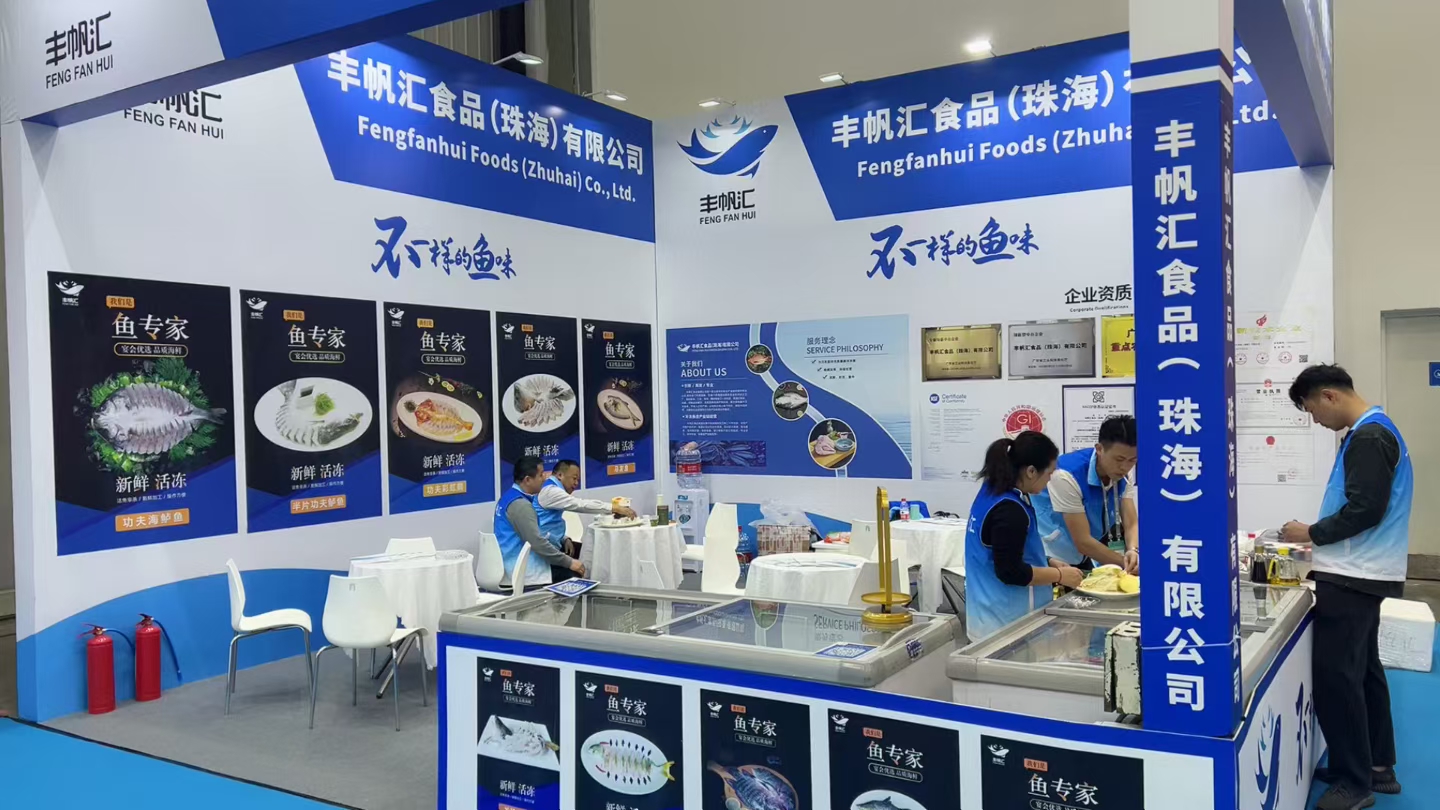
At FFH Food, we believe the only way to guarantee perfection is through a vertically integrated model: combining sustainable aquaculture with state-of-the-art processing. Here is why this model is the “Gold Standard” for seafood.
1. 100% Traceability: From Fingerling to Fillet
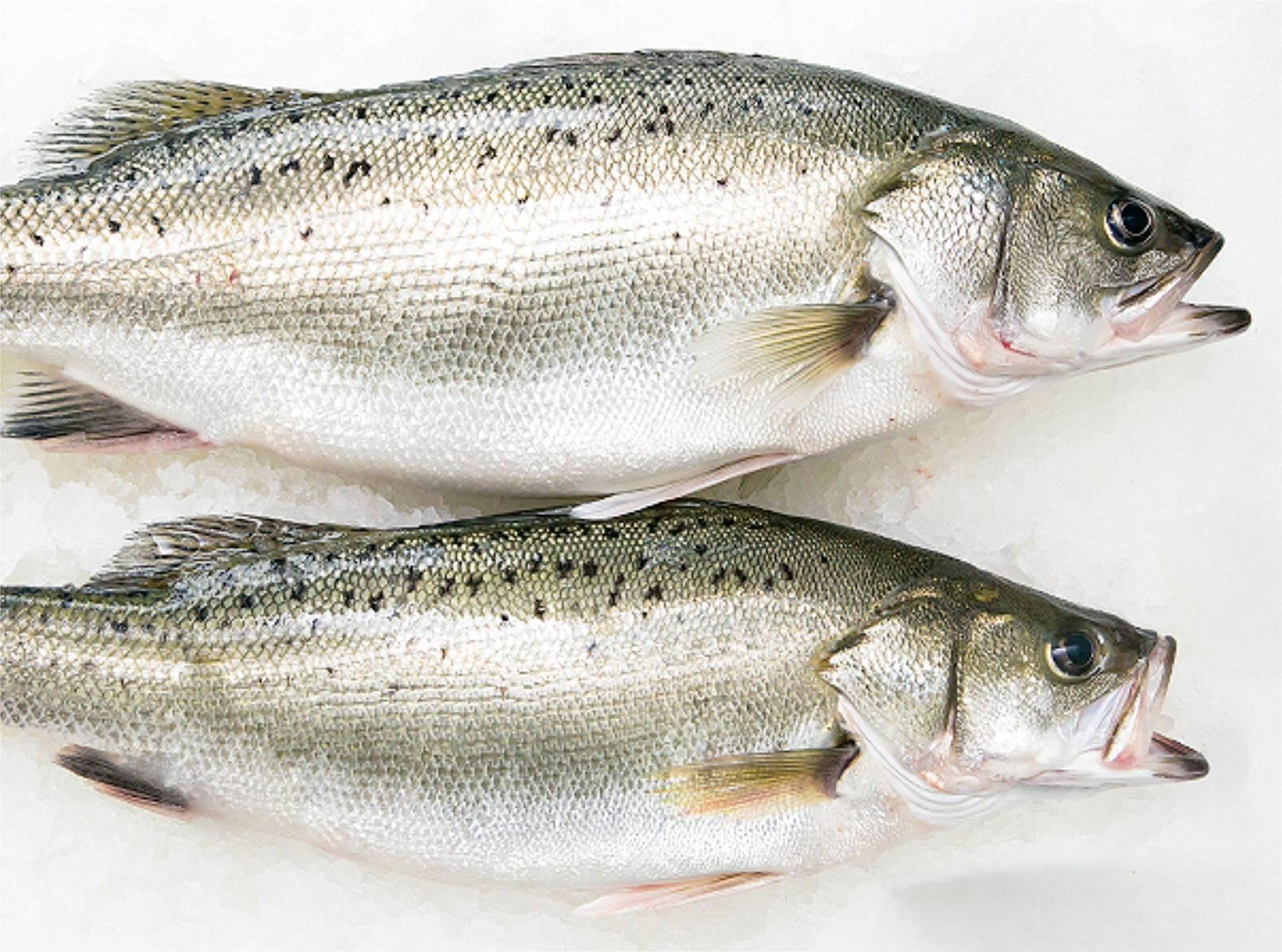
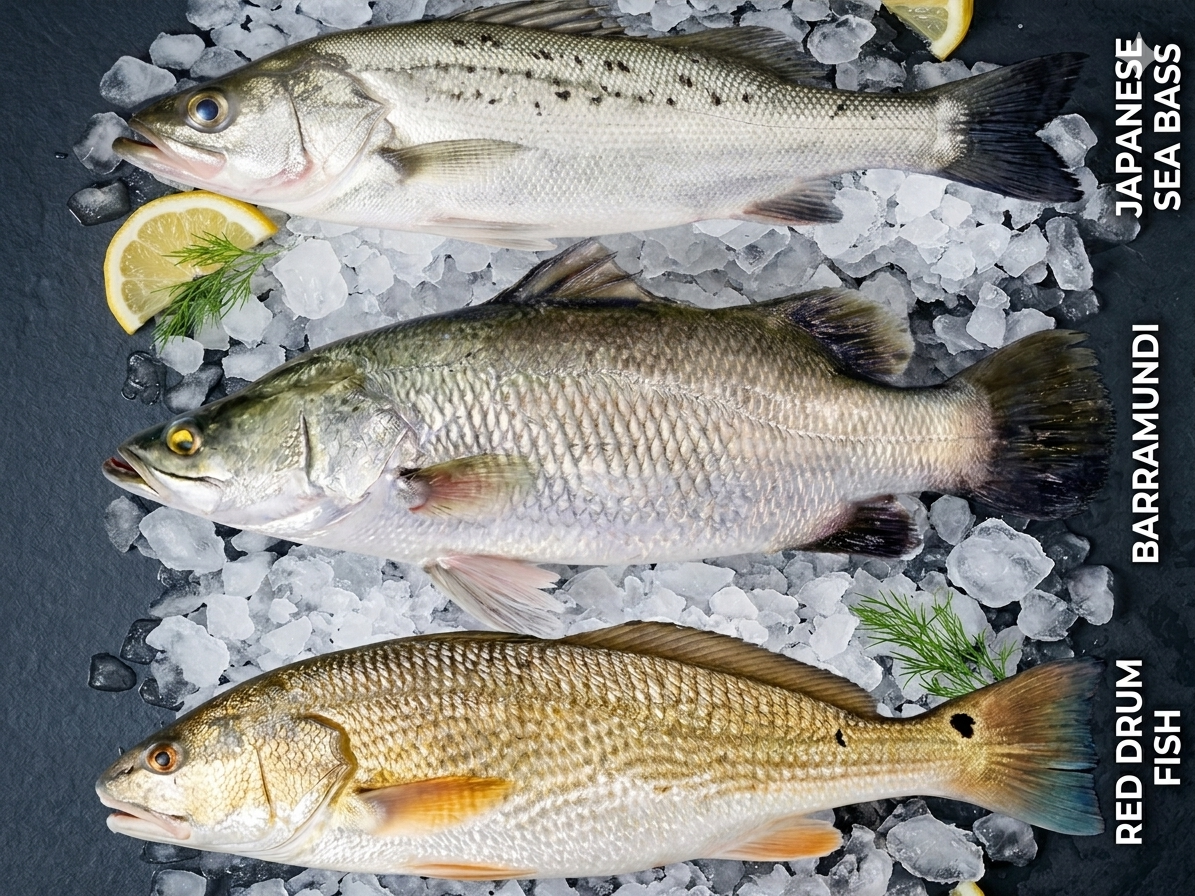
When a factory operates its own farming bases, every fish has a “digital birth certificate.” We monitor the water quality, the feed composition, and the growth cycle of our Seabass, Barramundi, and Red Drum.
-
The Benefit: If a client asks about the source, we don’t call a middleman; we check our own farm records. This is the heart of our HACCP and BRC compliance.
2. The “Golden Hour” Freshness
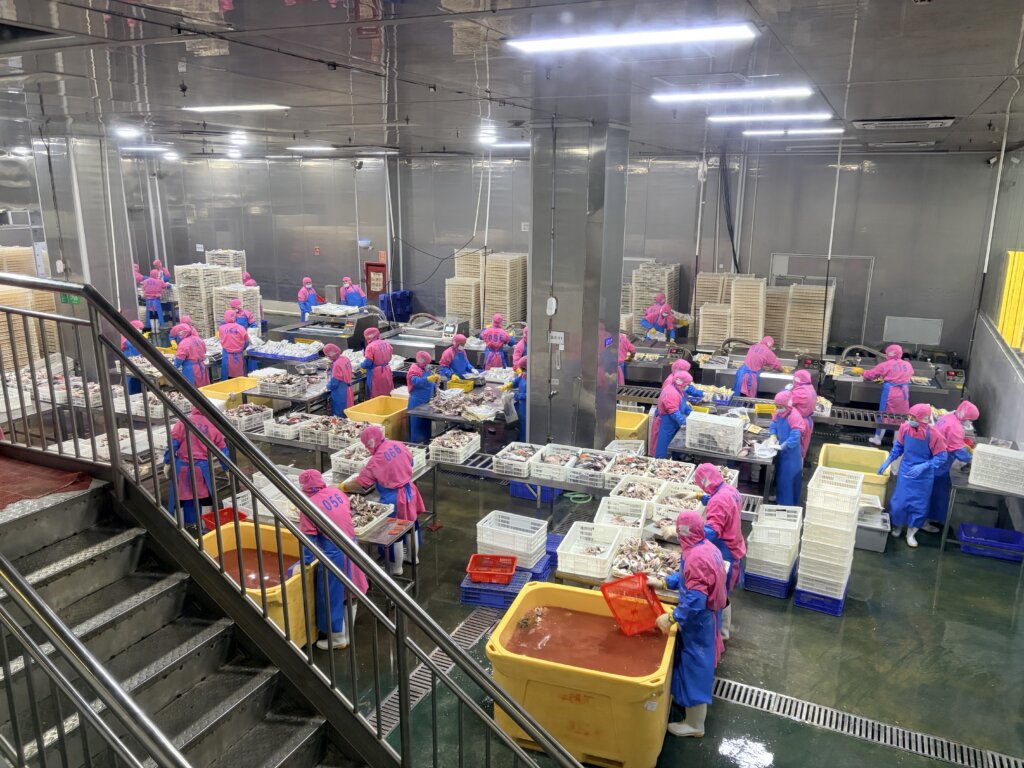
In traditional sourcing, fish may travel for hours or even days from a third-party farm to a processing plant. At FFH Food’s Zhuhai facility, the distance is minimized.
-
The Result: Fish are processed at their peak freshness. This rapid transition preserves the natural texture and nutritional value, ensuring the “clean, sweet flavor” that our Japanese Sea Bass (Suzuki) is famous for.
3. Stringent Quality Control (EU Approved Standards)
Being an EU Approved factory (No. 4404/02016) means our standards aren’t just high—they are globally verified. By controlling the aquaculture stage, we ensure:
-
No Antibiotic Residue: We control the environment to prevent disease naturally.
-
Consistent Sizing: Integrated farming allows us to harvest fish that meet specific client weight requirements (e.g., for retail-ready Barramundi fillets).
4. Sustainability and Food Security
Integrated operations are inherently more sustainable. We optimize feed efficiency and waste management across the entire chain. For our partners in the Middle East and Southeast Asia, this means a stable supply chain that isn’t affected by market fluctuations or third-party logistics delays.
Conclusion: Your Trusted Partner in Zhuhai
Choosing an integrated supplier like FFH Food means choosing peace of mind. Our 350+ employees and global certifications (FDA, HALAL, BRC) are all built on one foundation: Total Control.