What Is Sea Bass? Species, Nutrition and Global Market Guide
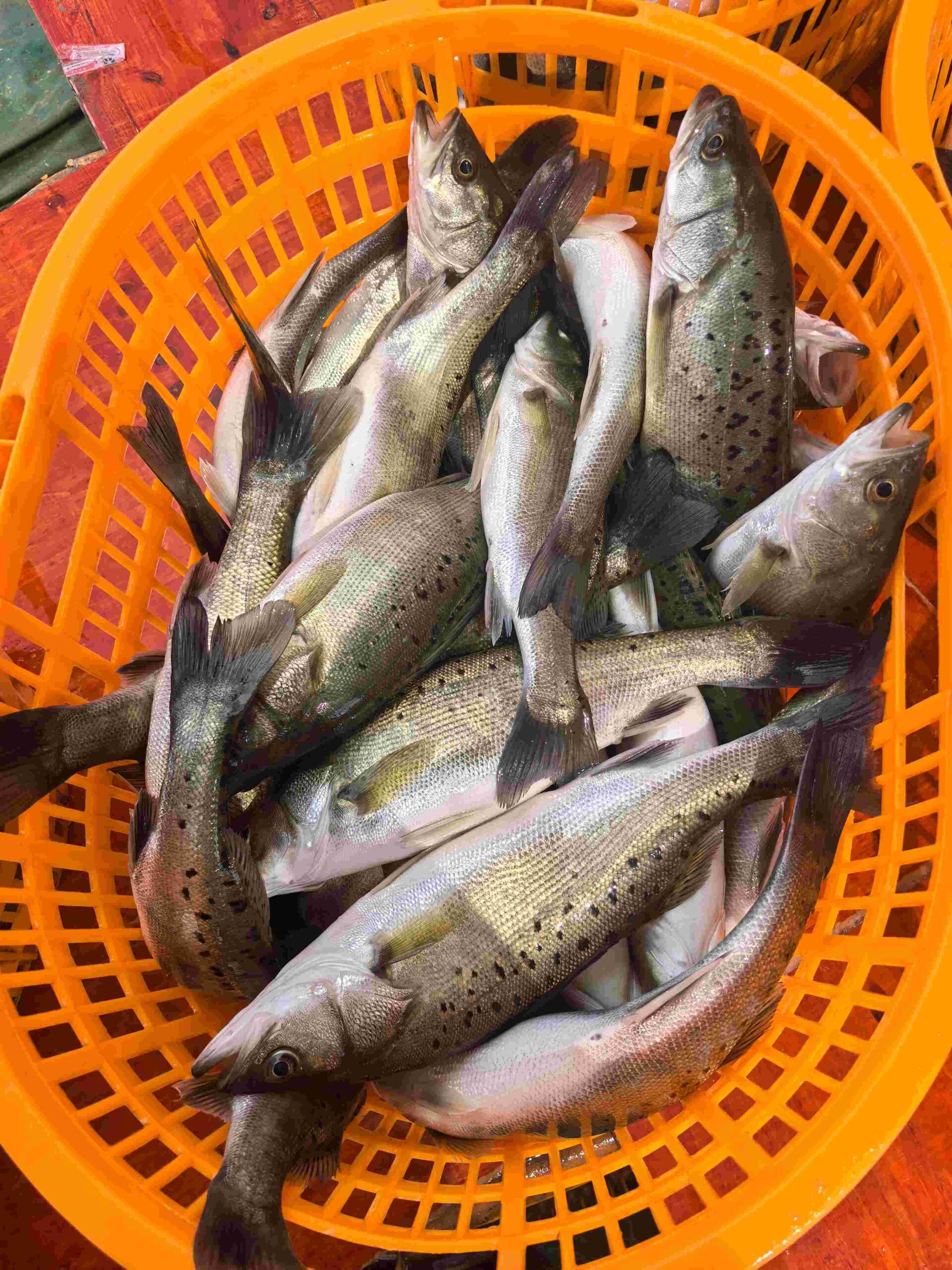
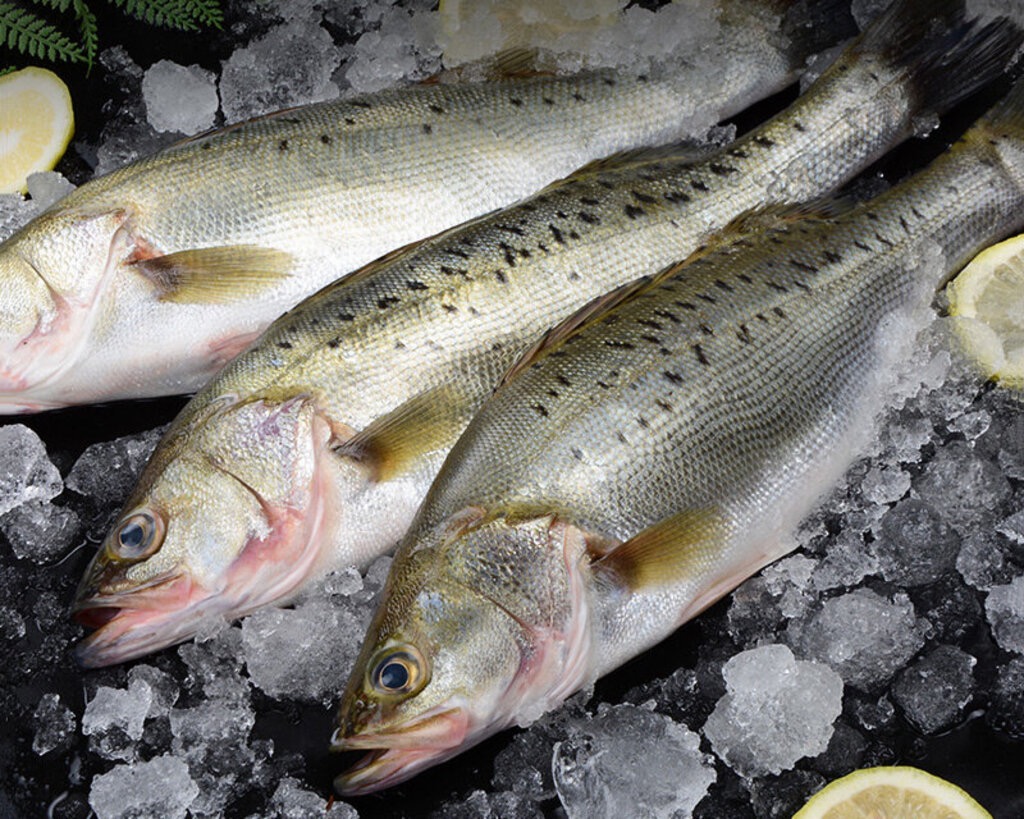
Sea bass is one of the most popular white fish consumed around the world. Known for its mild flavor, firm texture, and high nutritional value, sea bass is widely used in both home cooking and restaurant cuisine.
The name “sea bass” does not refer to a single species. Instead, it is a common name used for several types of marine fish that belong to different families but share similar characteristics such as white meat and delicate taste.
Today, sea bass is an important product in the global seafood industry, supplied through both wild fisheries and modern aquaculture farming.
Sea Bass Species
Several fish species are commonly marketed as sea bass in international seafood markets.
Some of the most well-known types include:
Japanese Sea Bass (Lateolabrax japonicus)
This species is widely farmed in East Asia and is known for its clean flavor and high-quality white meat.
Asian Sea Bass/Barramundi (Lates calcarifer)
Barramundi is popular in Australia and Southeast Asia and is often used in modern seafood dishes.
European Sea Bass (Dicentrarchus labrax)
This species is commonly found in Mediterranean cuisine and is highly valued in European markets.
Although these species come from different regions, they are all recognized for their excellent taste and versatility in cooking.
Nutritional Value of Sea Bass
Sea bass is considered a healthy seafood option because it provides a wide range of nutrients.
Key nutritional benefits include:
-
High-quality protein
-
Low fat content
-
Omega-3 fatty acids
-
Vitamin B12
-
Selenium and phosphorus
These nutrients help support heart health, muscle development, and overall wellness.
Because of its balanced nutritional profile, sea bass is often recommended as part of a healthy diet.
What Does Sea Bass Taste Like?
Sea bass is prized for its mild, slightly sweet flavor and tender white flesh. It features a clean taste, delicate texture, and minimal fishiness, making it suitable for grilling, steaming, baking, and pan-searing. It is widely regarded as a premium white fish in restaurants, pairing well with various ingredients and sauces.
Sea Bass Farming and Aquaculture
In recent decades, aquaculture has become an important source of sea bass production.
Farm-raised sea bass is cultivated in coastal aquaculture areas with clean seawater and controlled farming conditions.
Aquaculture helps ensure:
-
stable supply
-
consistent quality
-
sustainable seafood production
Countries such as China, Japan, Australia, and Mediterranean nations have developed large-scale sea bass farming industries to meet growing global demand.
Sea Bass in the Global Seafood Market
FAQ About Sea Bass
What kind of fish is sea bass?
Sea bass is a general name used for several species of farm raised fish that have white flesh and mild flavor. Common types include Japanese sea bass, barramundi, and European sea bass.
Is sea bass a healthy fish?
Yes. Sea bass is considered a healthy fish because it is rich in protein, low in fat, and contains beneficial Omega-3 fatty acids.
Is sea bass wild or farmed?
Sea bass can be both wild-caught and farm-raised. Today, a large portion of global sea bass supply comes from aquaculture farming.
Why is sea bass popular in restaurants?
Sea bass is popular in restaurants because of its mild flavor, soft texture, and versatility in cooking, making it suitable for many cuisines.
Contact
For seafood information or product inquiries, please contact:
Email: [email protected]